
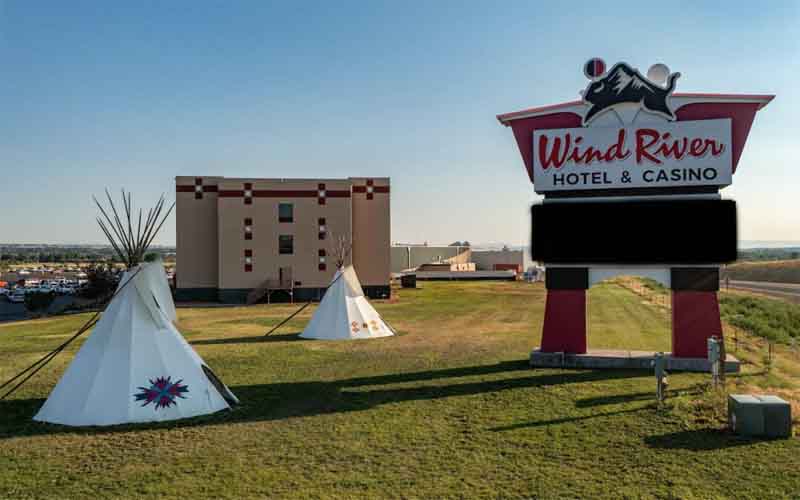
 Representatives of the Northern Arapaho Business Council state that a recent study assessing the potential impact of expanded gaming in Wyoming does not fully depict the economic consequences for tribal casinos. Tribal officials maintain that the analysis “underreports key economic and social consequences” associated with new gambling options being reviewed by state legislators.
The study, commissioned by the Wyoming Gaming Commission, assessed how additional gaming, particularly Historic Horse Racing (HHR) terminals, might affect the state’s gambling landscape. Tribal representatives contend the report does not adequately address how new gaming venues could divert customers, reduce vital casino-generated revenue, and threaten tribal programs on the Wind River Reservation, where such funding is crucial for essential services.
Their objections come as legislators continue debating whether to legalize online casinos in Wyoming, expand HHR, or introduce new forms of commercial gaming. As these policy debates unfold, tribal leaders emphasize that any expansion must account for the unique economic pressures facing reservation communities.
Online Casinos for Wyoming Players
While Wyoming considers whether to authorize regulated online casino games, residents currently rely on offshore gaming platforms that operate legally outside U.S. jurisdiction. These sites, often licensed in international gaming hubs such as Curaçao or Panama, offer real‑money slots, blackjack, roulette, and live‑dealer games that are not available through any Wyoming‑licensed operator.
Online casinos operating offshore continue to attract Wyoming players largely because they offer greater accessibility and flexibility than state‑regulated platforms.
These sites accept residents as young as 18, giving younger adults an option they can’t find within Wyoming’s limited domestic gaming framework. They also feature extensive game libraries and round‑the‑clock access, allowing players to log in at any time. Payment options are typically wide‑ranging, with most offshore operators supporting credit cards, e‑wallets, and even cryptocurrency for faster or more private transactions.
As Wyoming weighs its next steps on gaming expansion, the divide between regulated tribal casinos and offshore online platforms remains a central issue for policymakers and players alike.
Expanded Gaming Could Reshape Wyoming’s Casino Market
Wyoming’s casino industry is anchored by tribal operations, which serve as major employers and revenue generators in the state’s central region. The prospect of expanded gaming, whether through additional HHR terminals, commercial casinos, or online platforms, has raised concerns about market saturation and long‑term sustainability.
Supporters of expansion argue that Wyoming could benefit from new tax revenue and increased consumer choice. But tribal officials warn that even modest shifts in player behavior could have outsized effects on reservation economies. They have urged lawmakers to revisit the study’s methodology and ensure that tribal impacts are fully considered before any major policy decisions are made.
The debate is expected to continue into the next legislative session, with both state regulators and tribal leaders preparing additional testimony and economic data.